
Art and traditional spas in southern France
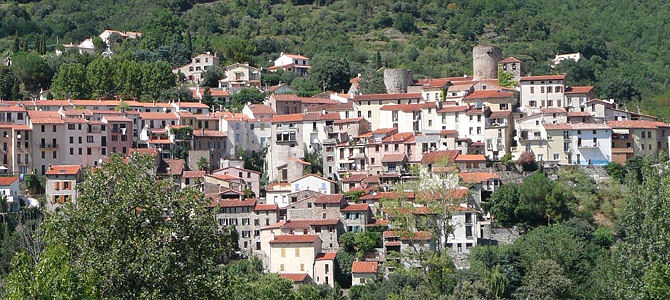
Catherine Beattie visits southern France where she ‘takes the waters’ in the spa town of Amélie les Bains in the scenic Languedoc-Roussillon region.

With the Mediterranean to the east and Spain to the south, the Languedoc-Roussillon region of France enjoys a warm sunny climate. It is one of the world’s oldest and most prolific wine producing areas and home to Blanquette de Limoux – believed to be France’s first sparkling white wine and the inspiration for Champagne.
But for spa aficionados, Languedoc-Roussillon is best known for its myriad of hot springs, created by geological activity under the nearby Pyrenees that heats the subterranean water. Rich in healing minerals, the springs have been used for centuries with towns and treatment centres developed around them. These natural spas may lack the luxury element of their modern counterparts, but are more affordable and have a fascinating ambience and healing tradition.
The hot sulphuric springs of the small town of Amélie les Bains (60°C at source) have been easing aches and pains since 200 AD. Named after Queen Amelia, wife of Louis Philippe), the town is a 45-minute drive from the airport at Perpignan. French citizens entitled to thermal ‘cures’ via the state’s health system flock to the pretty town, to enhance their health with daily immersions and other treatments. Soaking in warm mineral water not only relieves rheumatic and respiratory disorders but is also a natural antidote to stress.
Amélie les Bains is defined by the French tourist board as a ‘station verte de vacances,’ a descriptive label for a tourist destination with ‘outstanding natural beauty and a natural attraction.’ The town’s thermal springs are the ‘natural attraction’ and were once thought to have magical curative properties. With two thermal spa centres – the busy Mondony baths, which cater for up to 2,500 visitors a day and the quieter Roman baths, built on the ancient site of the old Roman baths – the hot springs are an integral part of the life and culture of the town.
Many hotels in the town offer spa packages and individual treatments are reasonably priced.We stayed at the Hotel La Pinéde, a pleasant three-star establishment and member of the Chaine Thermale du Soleil’s collection of 12 French thermal spa hotels. As well as thermal treatments, these spa hotels offer healthy gourmet menus, specially devised in collaboration with Michel Guérard, one of France’s most acclaimed chefs and founder of la Cuisine Minceur (lighter healthier cuisine). We spent a pleasant first evening drinking local wines and sampling his Cuisine Santé Nature, which was delicious and satisfying.
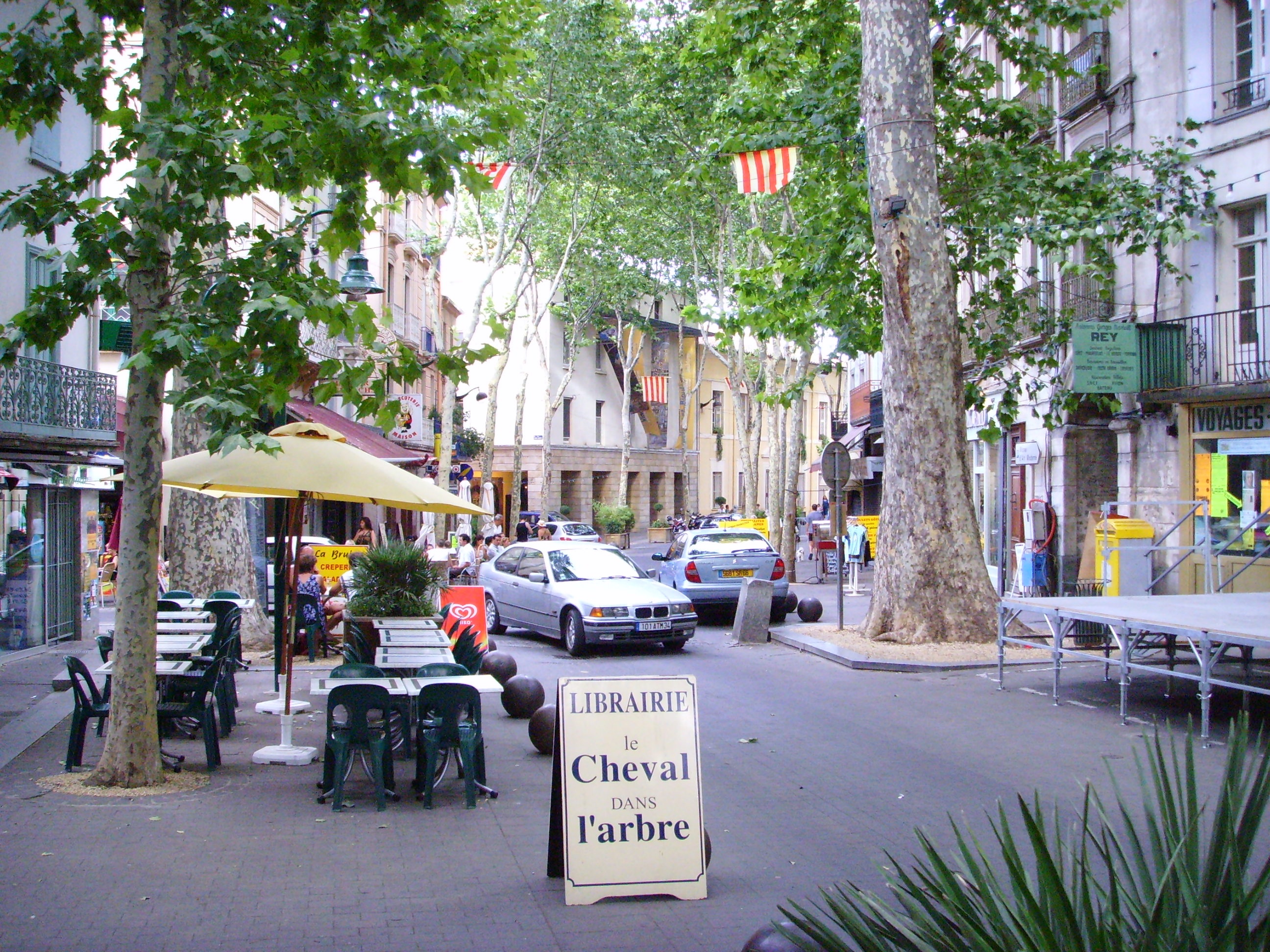 Before visiting the thermal spa the following afternoon, we drove into nearby Ceret – a picturesque small town famous for its cherry festival and a magnet for artists. Towering plane trees line the streets creating dappled shade and small shops are juxtaposed with outdoor cafes and an impressive church. In the 1900s, Pablo Picasso and Henri Matisse lived and painted in the area and the outstanding modern art museum contains many examples of their work, including some of Picasso’s lesser-known colourful ceramics. After touring the permanent exhibits, we looked around a temporary exhibition by Spanish artist Riera I Arago. His fascinating sculptures use recycled materials and flowing water and much of his work is inspired by machines, particularly planes and submarines.
It was fun exploring the historic little town, which has a large church and some quaint shops including several tempting patisseries. We met up for lunch on the outside terrace of the Hotel Vidal, under vines laden with bunches of tiny black grapes. Our convivial host invited us to pick and sample the grapes, which were deliciously sweet and tasted of strawberries!
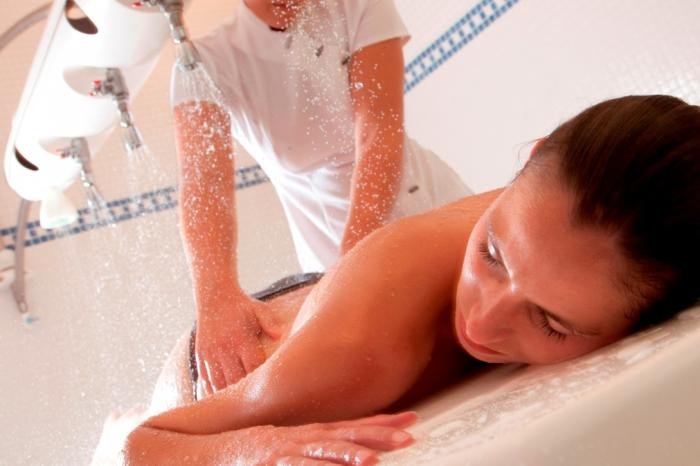
Back in Amélie les Bains, we whiled away a couple of hours in the Roman baths, enjoying Vichy showers and water bed massages in between dips in the circular thermal pool and having powerful water jets pummel out tension from our necks and shoulders.
We finished our session with a float in the warm mud pool, where the combination of 25 per cent kaolin (a type of white clay sourced from central France) and 75 per cent thermal water creates such a buoyant chalky liquid that it is impossible to remain upright!
For more information on Languedoc-Roussillon please visit www.sunfrance.com and www.tourisme-pyreneesorientales.com
For rates and information about the spa and hotels featured visit www.chainethermale.fr
